
Optimizing structural layouts for modern living standards

Open-Concept Spatial Planning
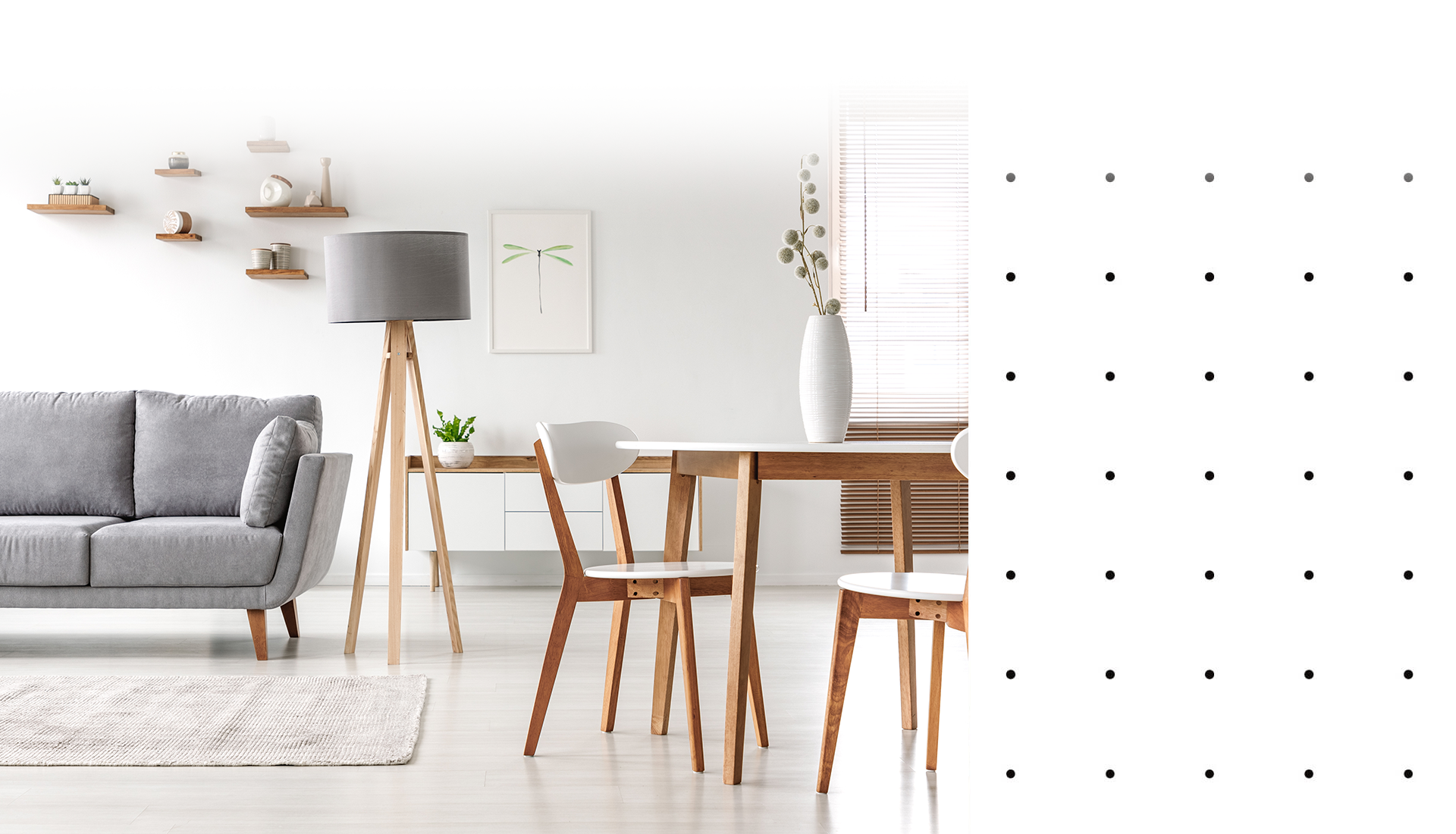
Merging zones encourages social interaction while bespoke kitchen islands or peninsulas establish clearly defined functional areas.

Smart partitioning and flexible zoning
Glazed partitions or claustra screens provide visual separation without compromising the sense of spaciousness.

Vertical volume optimization strategies
Utilizing high ceilings for custom mezzanines or loft conversions significantly increases usable square footage in compact urban apartments.

Fluid circulation path design
Strategic corridor placement ensures intuitive traffic flow between private bedrooms and communal living zones.

Curating atmospheres through cohesive material & color palettes
A successful project begins with a lifestyle analysis. Designers create mood boards that harmonize color palettes with tactile material textures, ensuring each visual choice serves a functional or aesthetic purpose. The result is a personalized, comfortable environment reflecting individual character.
Exploring distinctive decorative styles and aesthetic movements






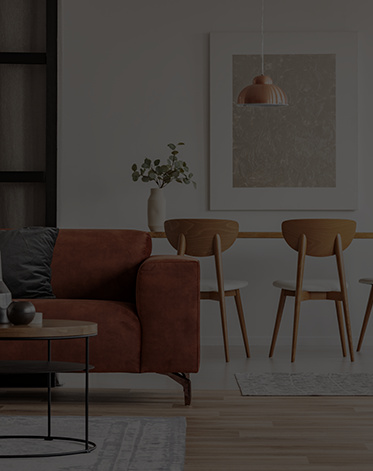

Selecting furniture for ergonomics and visual balance
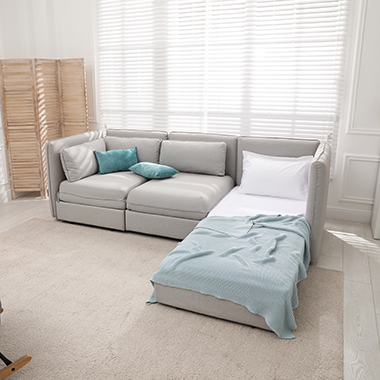
Living room seating arrangements
Modular sofas offer adaptable flexibility
Positioning armchairs opposite the main sofa creates a conversational layout, while a central coffee table anchors the gathering space effectively.
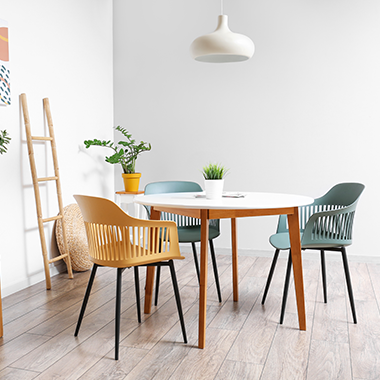
Dining area spatial efficiency
Round tables maximize circulation space
Extendable dining tables provide adaptability for hosting, ensuring comfortable clearance for egress and chair movement even in narrower rooms.
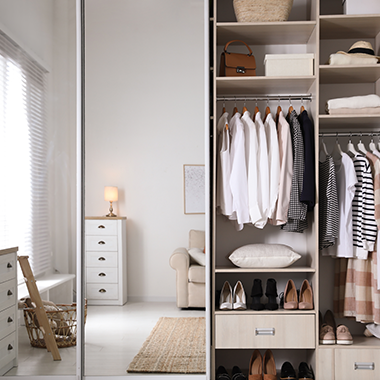
Bedroom storage and comfort
Custom built-in wardrobes save space
Upholstered headboards add acoustic insulation, while integrated bedside storage or floating nightstands keep clutter hidden for a serene environment.

Extending living spaces into the outdoors
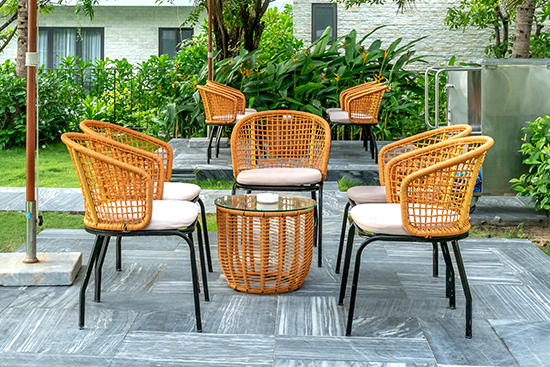
Weather-resistant furniture selection
All-weather materials ensure longevity
Powder-coated aluminum frames resist corrosion, while performance fabrics like solution-dyed acrylic repel water and prevent UV fading.
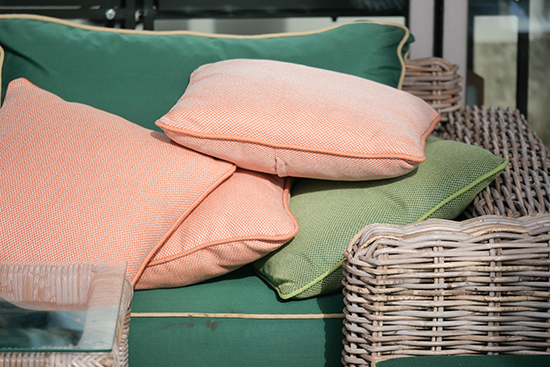
Seasonal protection strategies
Fitted protective covers prolong furniture life
Storing cushions in weatherproof deck boxes during winter prevents mold, keeping the outdoor setup ready for spring use.